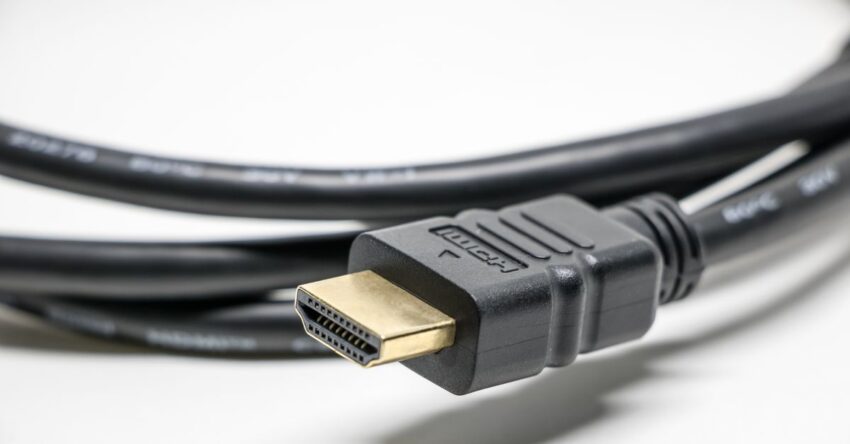
Learn why an HDMI crimper is essential for custom cable assembly. Discover field termination techniques, pros and cons, and future trends in AV installation.
Why an HDMI Crimper Matters for Custom Cable Assembly
Anyone who has tried to route a finished HDMI cable through a narrow wall conduit or a crowded equipment rack knows the frustration of a connector head that simply won’t fit. A raw, unterminated cable slides through tight spaces far more easily, and the plug can be attached only after the wire has reached its destination. This is precisely the gap that choosing a reliable HDMI crimper fills for installers and hobbyists alike. Instead of measuring, ordering a pre-made cable, and hoping the length is right, technicians can cut bulk HDMI cable to the exact distance needed and terminate it on site.
This approach also matters for repairs. When a connector on an already-installed cable gets bent or damaged, pulling an entirely new run through a wall or under a floor is rarely practical. With the right tool, the damaged end is simply cut away and a new connector is pressed on, saving both labor and material. For system integrators working on media walls, server cabinets, or home theater installations, this flexibility translates into cleaner cable management and fewer wasted meters of cable.
Kácsa Audio’s Approach to HDMI Field Termination Connector Solutions
Rather than treating HDMI accessories as a simple retail item, the specialists at Kácsa Audió combine sourcing with hands-on guidance. Cables and connectors are selected from established manufacturers known for consistent build quality, and the tools offered alongside them are matched to compatible connector types so installers aren’t left guessing which crimper fits which plug. Assembly support and testing are treated as part of the service, not an afterthought, which matters when a single loose pin can cause an intermittent signal dropout months after installation.
Customers are also given room to verify results before committing to a purchase, since assembled cables can be tried in a real home system without any obligation to buy. This practical, try-before-you-decide model reflects a broader philosophy: audiovisual components perform differently depending on the room, the source device, and the display, so a cable that tests well on a bench may behave differently once installed. Pairing an HDMI crimper with connectors and cable stock from the same supplier also reduces the risk of mismatched tolerances between the crimping die and the connector’s pin layout.
Crimp Tool Pros and Cons: What to Consider Before Choosing Your HDMI Field Termination Tool
A quality field termination tool typically combines several functions in one body: a cable-stripping slot sized for HDMI jacketing, a precision blade or press for aligning the internal wire pairs, and a strain-relief clamp that locks the cable jacket in place. The ratchet mechanism found on most professional models is worth paying attention to, since it prevents the handles from releasing until full, even pressure has been applied across all 19 pins and the shield. This reduces the chance of a partially seated pin that works initially but fails after thermal expansion or minor cable movement. On the downside, these tools require some practice; rushing the wire-ordering step or misaligning the conductor comb can produce a connector that looks finished but transmits an unreliable signal.
It’s also worth weighing crimped connectors against the alternatives before investing in a dedicated HDMI crimper. For very long runs, many AV professionals now prefer HDBaseT or AV-over-IP converters, which shift the field termination work to more forgiving RJ45 connectors instead of the tightly packed HDMI pinout. Where distances exceed what copper can reliably handle, active optical cables are common, though these generally arrive pre-terminated and can’t be field-crimped with a handheld tool. For smaller jobs or emergency fixes, screw-terminal or spring-clamp HDMI repair plugs offer a solderless option without the upfront cost of a dedicated press, though they tend to be bulkier and less durable than a properly crimped connector.
Future Trends in HDMI Field Termination Connector Technology
As video standards continue to push higher bandwidth through the same physical cable footprint, the margin for error in field-terminated connections keeps shrinking. Minor impedance mismatches or a slightly compressed shield that once went unnoticed can now cause visible dropouts or handshake failures with high-resolution sources. This is pushing installers toward more standardized, factory-calibrated crimp dies and connectors with built-in wire-alignment guides, since consistency between individual terminations matters more than it once did. Continuity and cable testers are increasingly used right after crimping, turning what used to be a one-step job into a quick two-step verification process.
At the same time, hybrid solutions are gaining ground for scenarios where a pure copper run isn’t practical. Detachable-head cables that combine a factory-terminated optical section with a field-installable copper tail let installers pull a slim connector through tight conduit while keeping the performance benefits of fiber over long distances. Solderless, screw-based repair connectors are also becoming more refined, aimed at technicians who need an occasional fix rather than a dedicated crimping setup. Even with these alternatives multiplying, a well-built HDMI crimper remains a practical, repeatable way to produce custom-length cables without relying on pre-made stock.